A full prototyping shop, dedicated to your product.

Build, test, and iterate in-house - faster cycles, fewer surprises, and a shorter path to production.
Prototyping shop at Riganelli Engineering
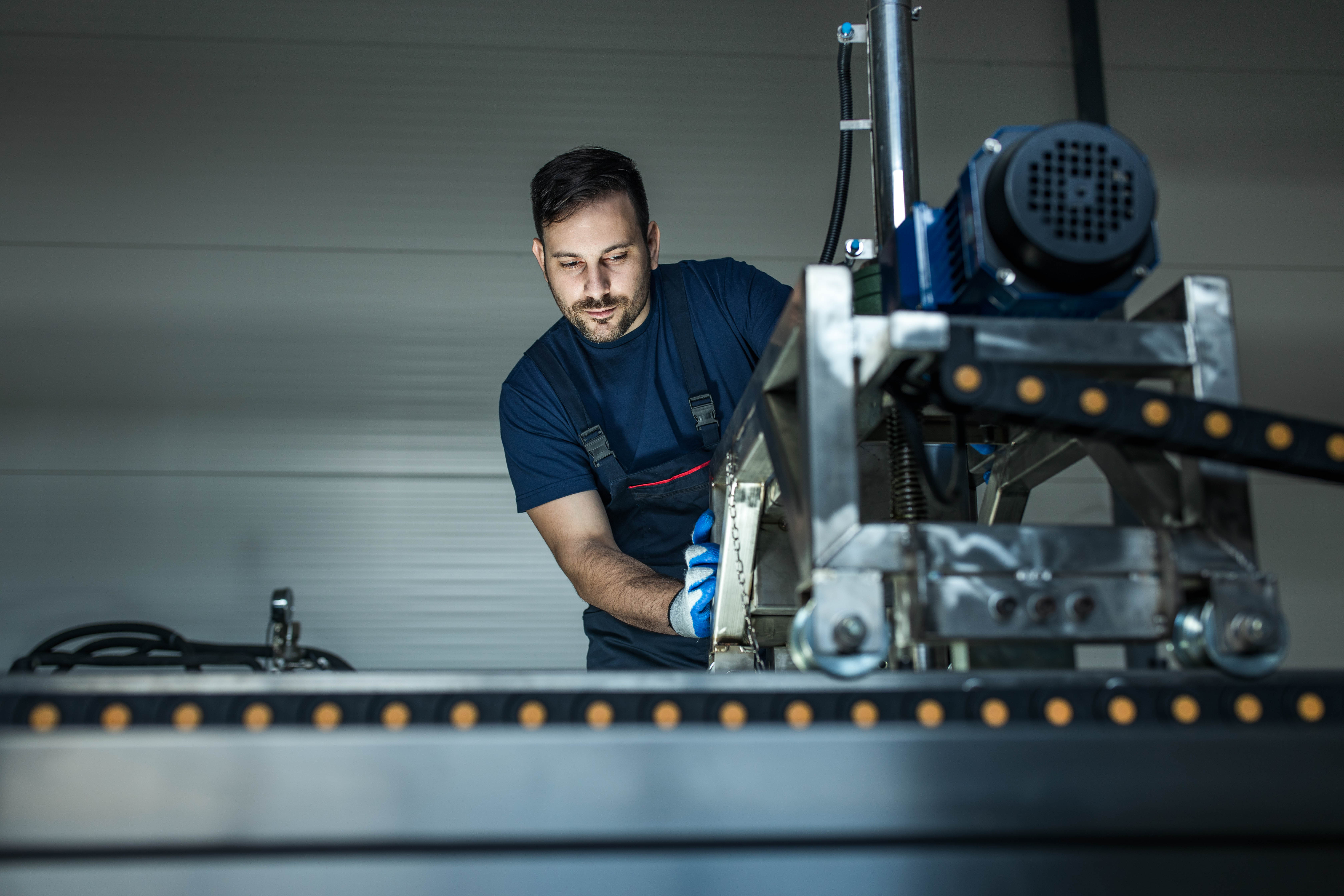
Prototyping team at work
Our approach

Engineering and prototyping, under one roof

Most prototyping shops are separate from the engineering team. That means waiting for parts, coordinating between vendors, and slow feedback loops every time something needs to change. Our prototyping shop sits right alongside our engineering team - the same people who designed your product build and test it. When a prototype reveals an issue, we solve it on the spot and have an updated part in hand the same day.
This integrated approach compresses development timelines dramatically. Instead of weeks between design changes and physical validation, we iterate in days or even hours. The result is a production-ready product you can trust, developed faster and at lower cost.
Why it matters

In-house prototyping means faster iterations, earlier problem-solving, and lower development costs

Faster iterations
With in-house fabrication and assembly, we can go from a design change to a new prototype in as little as one day. Product development involves many iterations - saving time on each one adds up fast.
Catch problems early
Digital models and simulations are powerful, but nothing replaces holding the real thing. Physical prototypes reveal fit, feel, and function issues that screens can't, before you commit to production tooling.
Lower development costs
A problem found in prototyping costs a fraction of what it costs in production. Rapid, affordable iterations let us refine the design thoroughly without blowing the budget.
Engineering and prototyping, connected
The team that designed your product is the same team building and testing it. Feedback loops are immediate, and every insight from the shop floor feeds directly back into the design.
How we work
Prototyping process
Step 1
Plan the build
Once the engineering design is approved, we review the prototype requirements and plan the most efficient build - selecting processes, sourcing any external components, and scheduling shop time.
Step 2
Create the parts
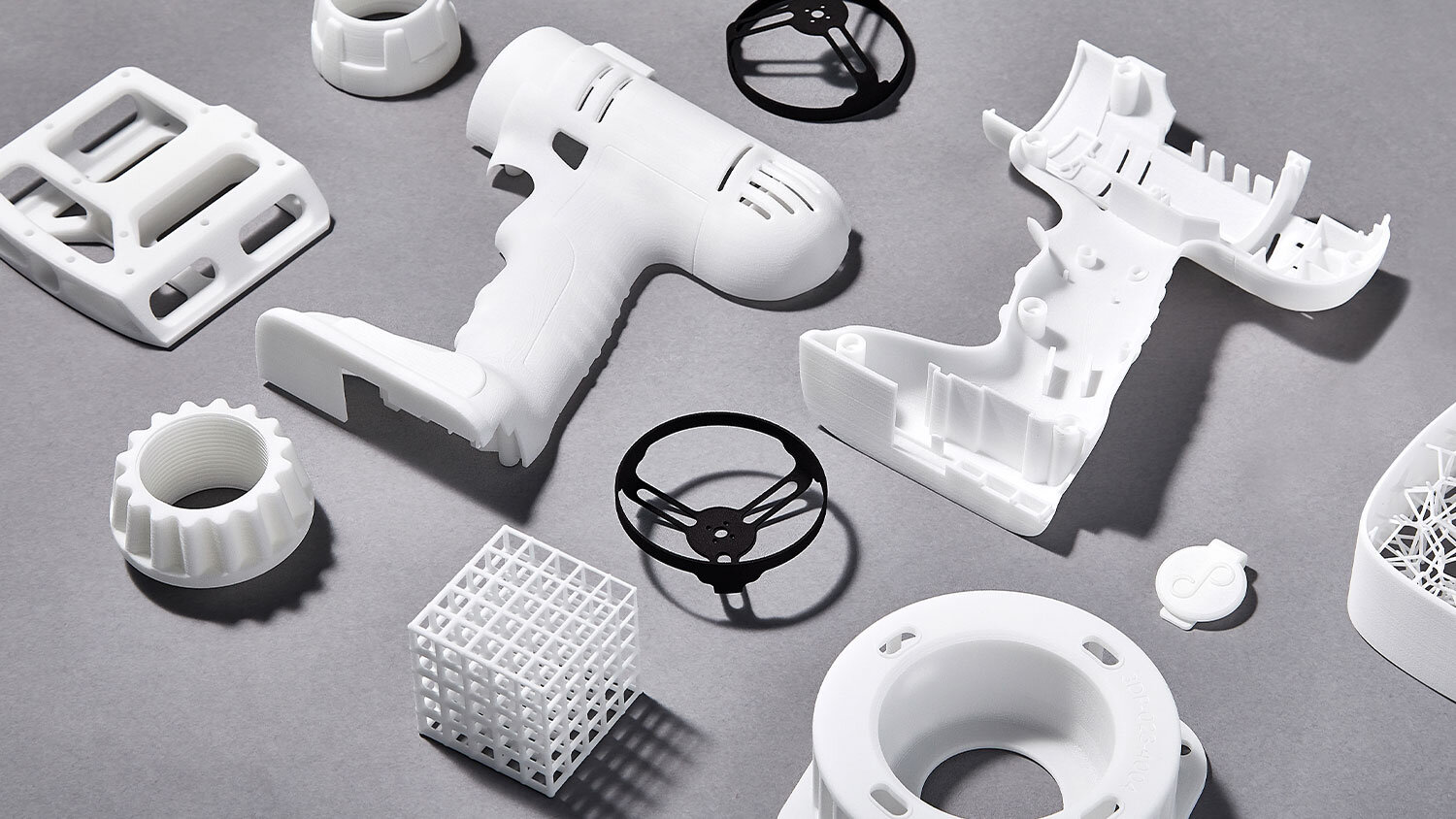
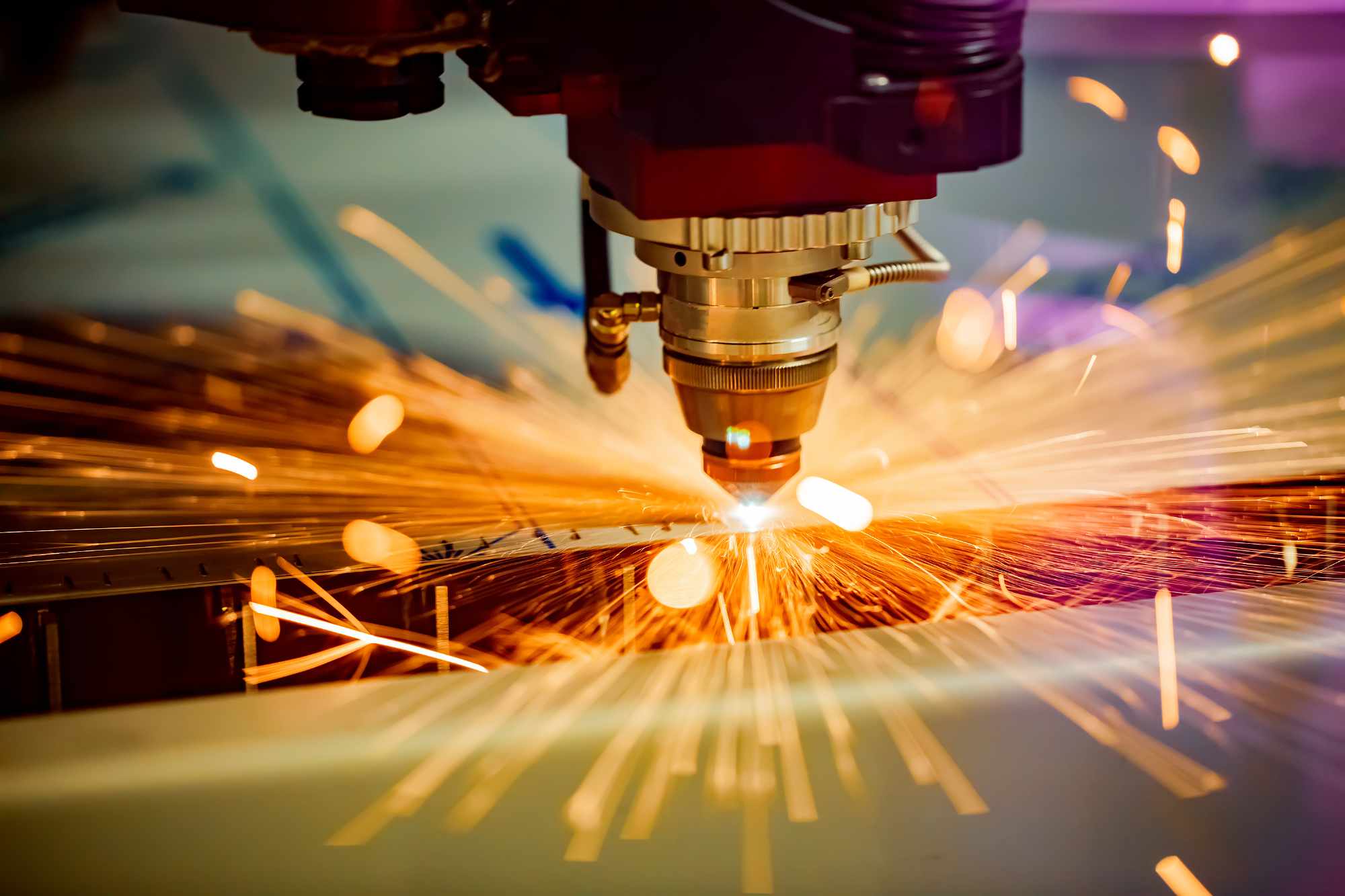
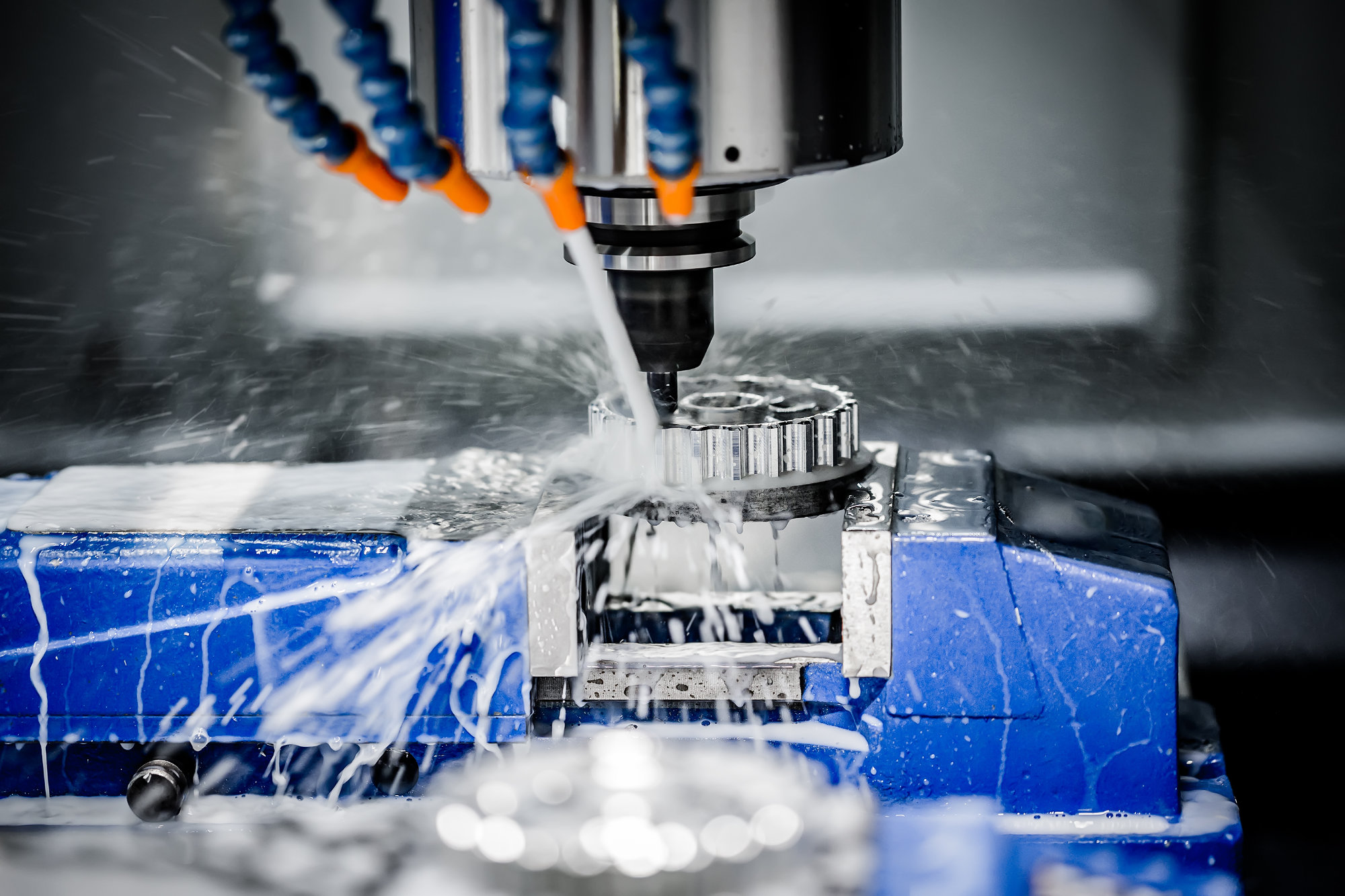
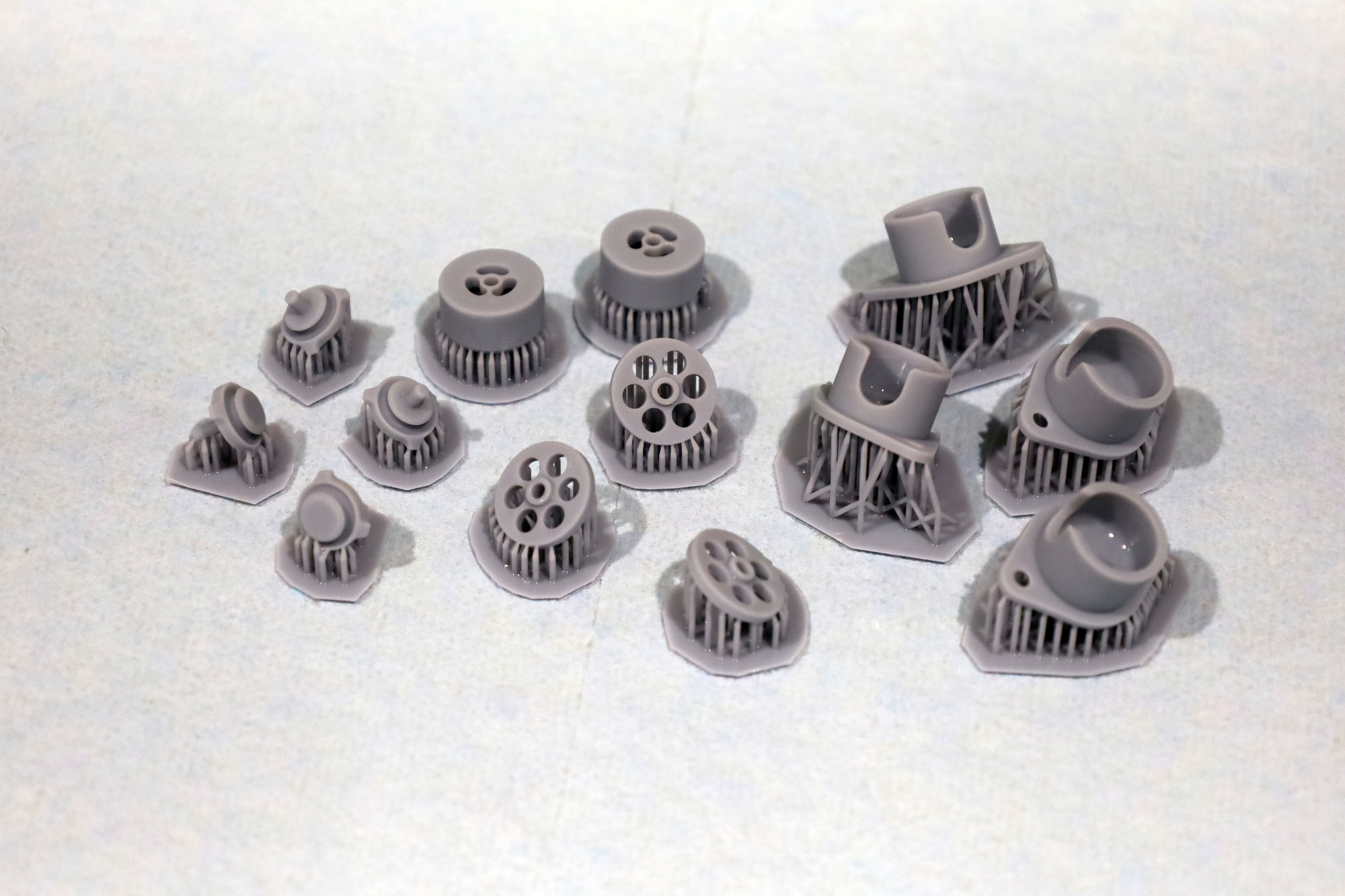
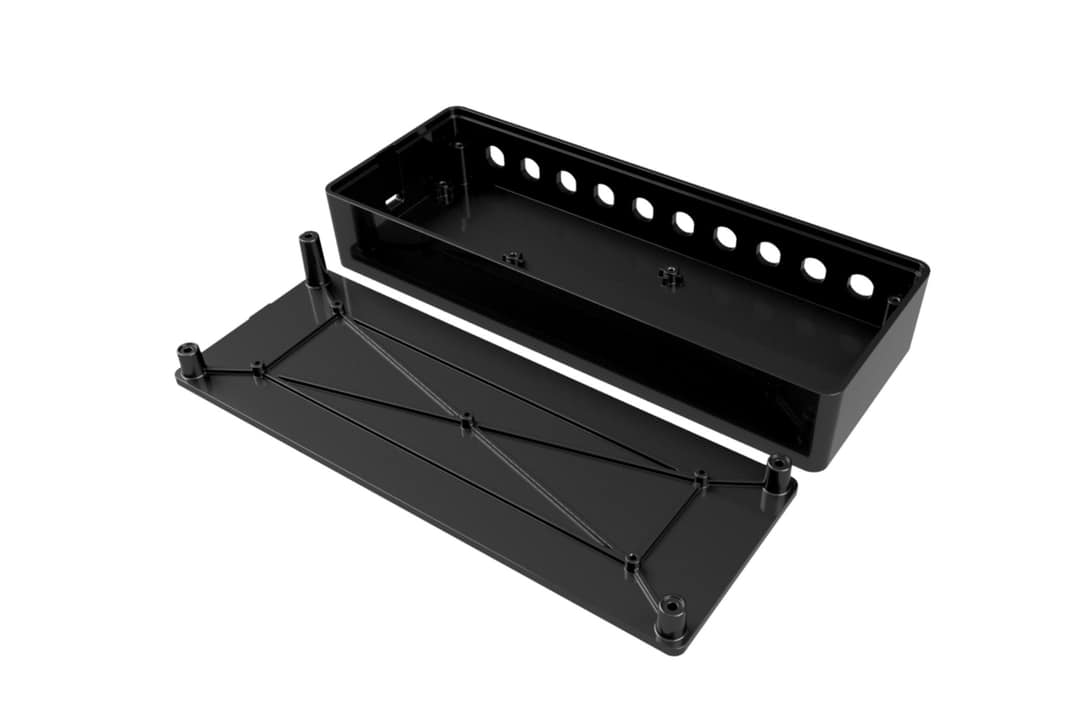
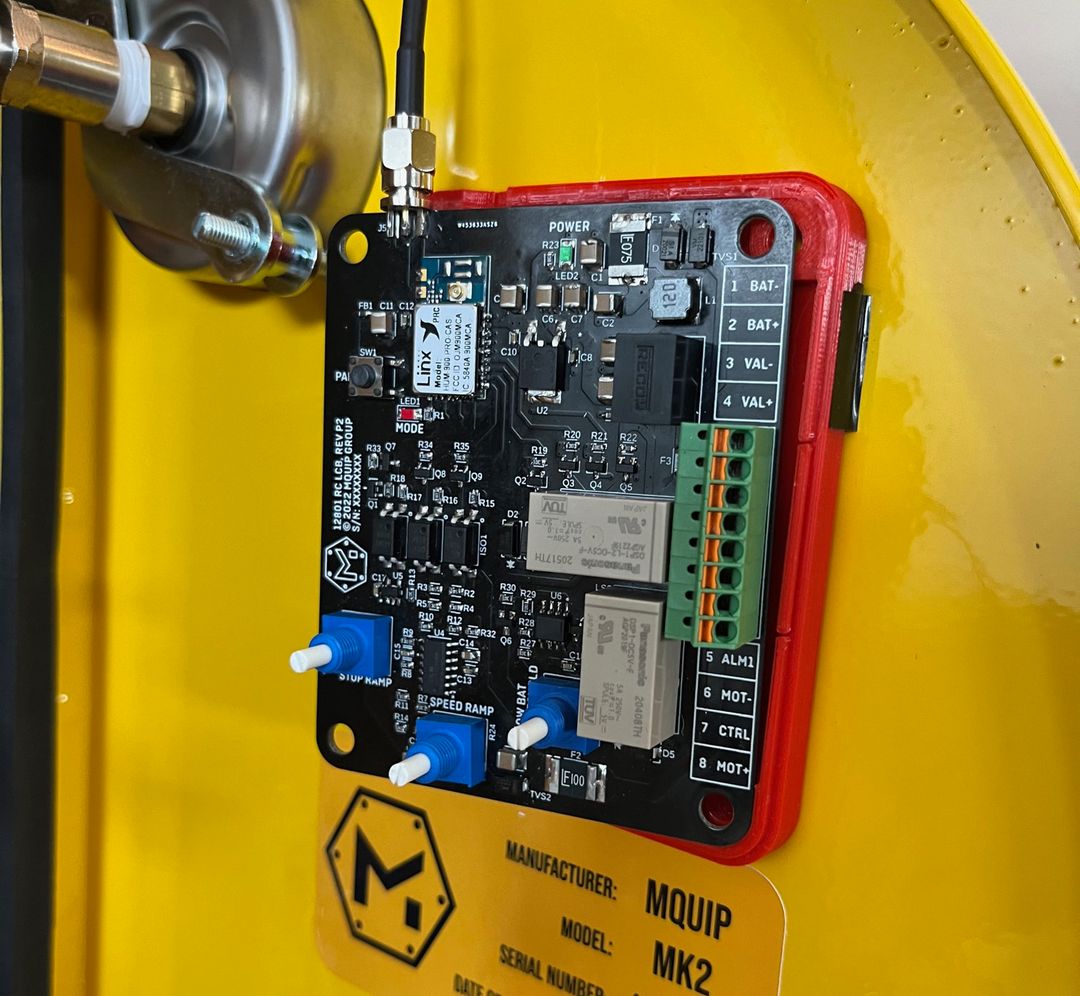
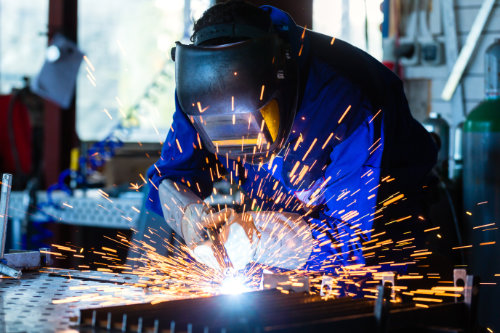
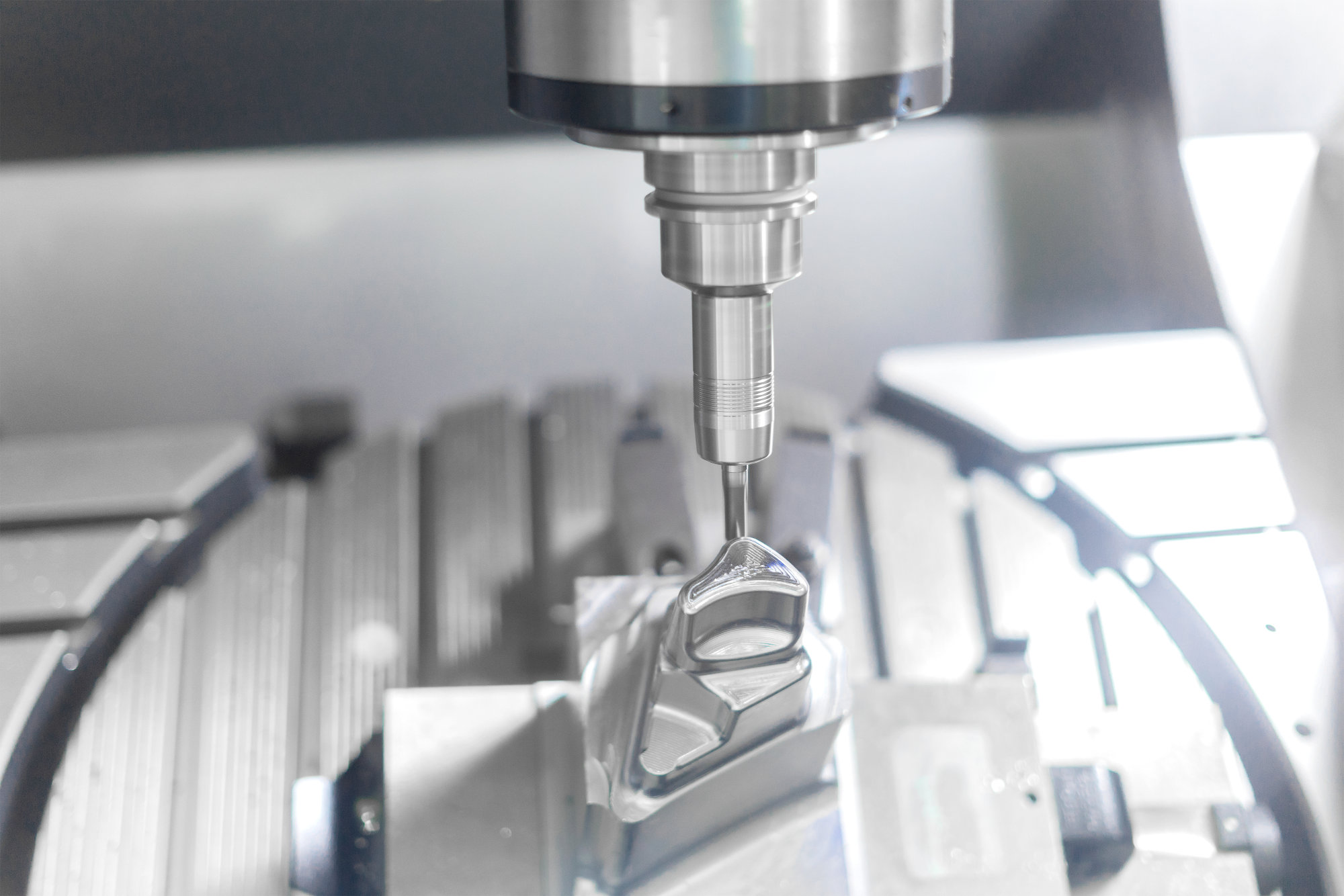
We machine, print, cut, bend, and solder - producing all the parts needed using the best method for each component.
Step 3
Assemble
Individual parts come together into a complete, functional prototype. This step often reveals opportunities to improve the design for assembly.
Step 4
Test and report
We put the prototype through its paces, document the results, and report back to you and our engineering team. Findings feed directly into the next design iteration - and the cycle repeats until the product is ready for production.
Our prototyping capabilities

Explore our prototyping capabilities

Ready to build your prototype?

Tell us about your product and we'll plan the build.